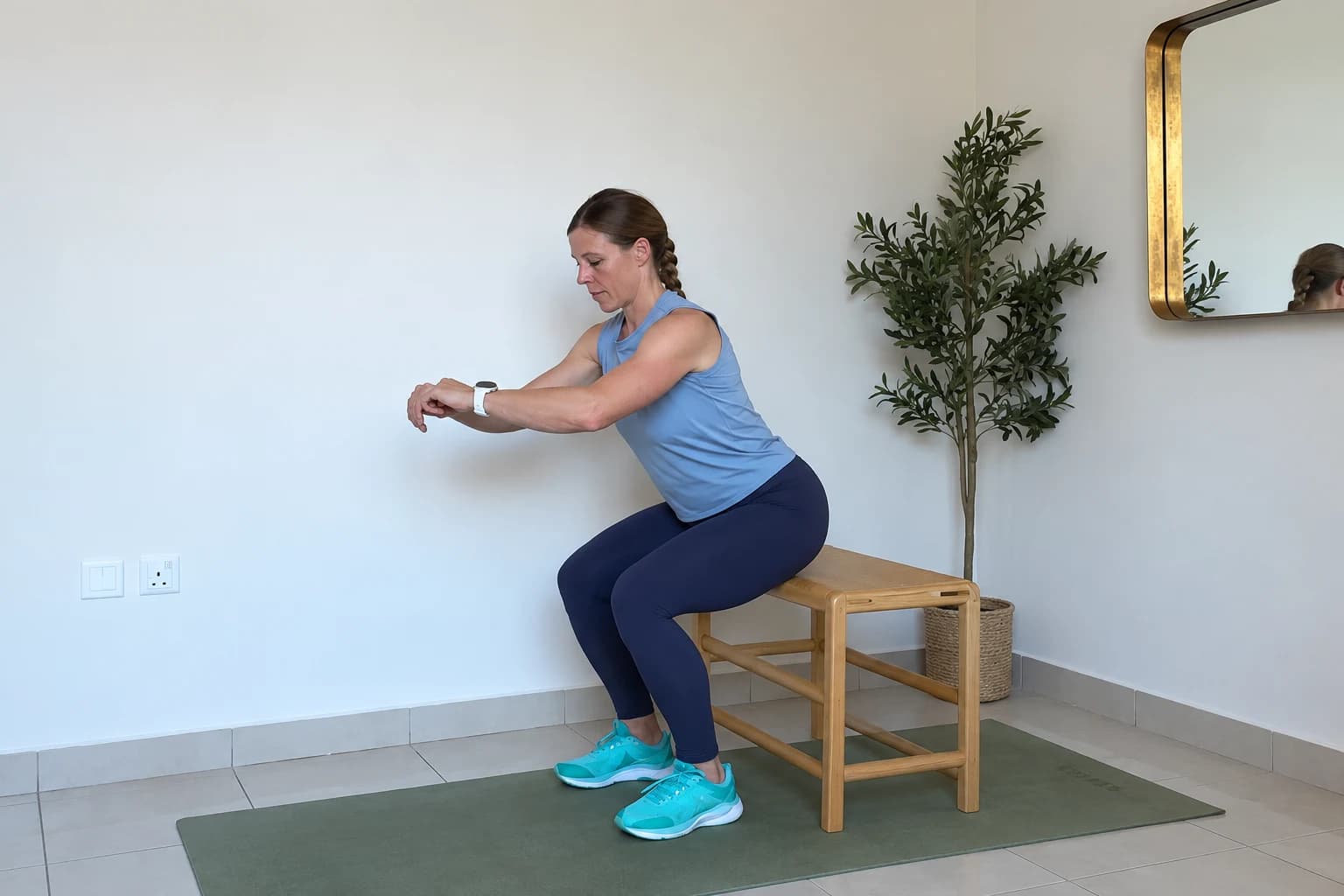
Featured article · 5 min read
How to Start Strength Training at Home
A simple way to begin with a few repeatable movements, the space you have and a plan you can keep.
Read the article →The Fit Edit Journal
Clear answers and practical next steps for moving, eating and feeling better—one useful edit at a time.
Featured article · 5 min read
A simple way to begin with a few repeatable movements, the space you have and a plan you can keep.
Read the article →The Journal
Every article gives you a clear answer, a real-life example and one useful next step.

Use the movement and your effort to choose a load, instead of guessing from someone else’s workout.
Read article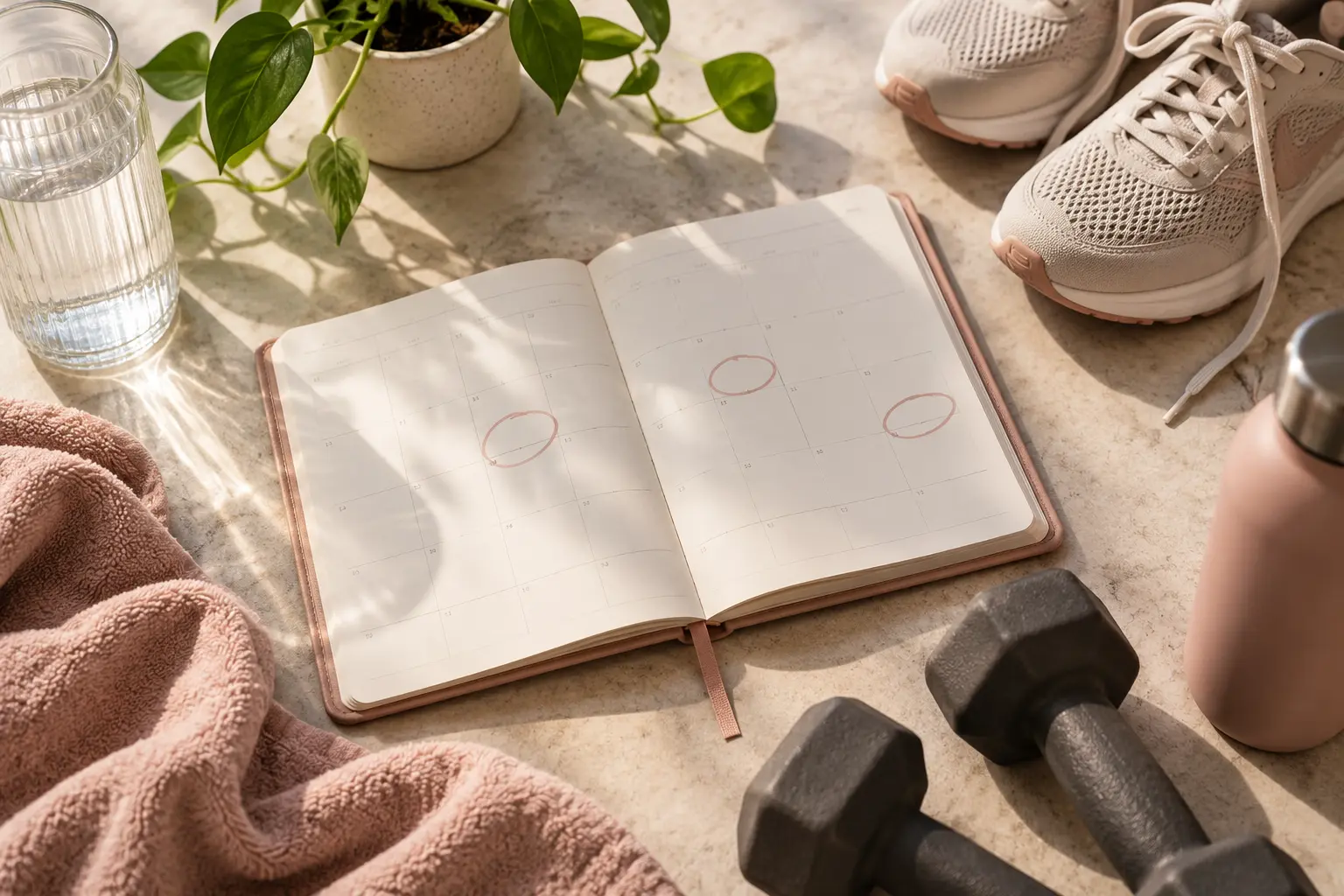
Choose a weekly rhythm that supports consistency and recovery, not one that looks impressive on paper.
Read article
Progress can come from small changes in load, repetitions, control or consistency.
Read article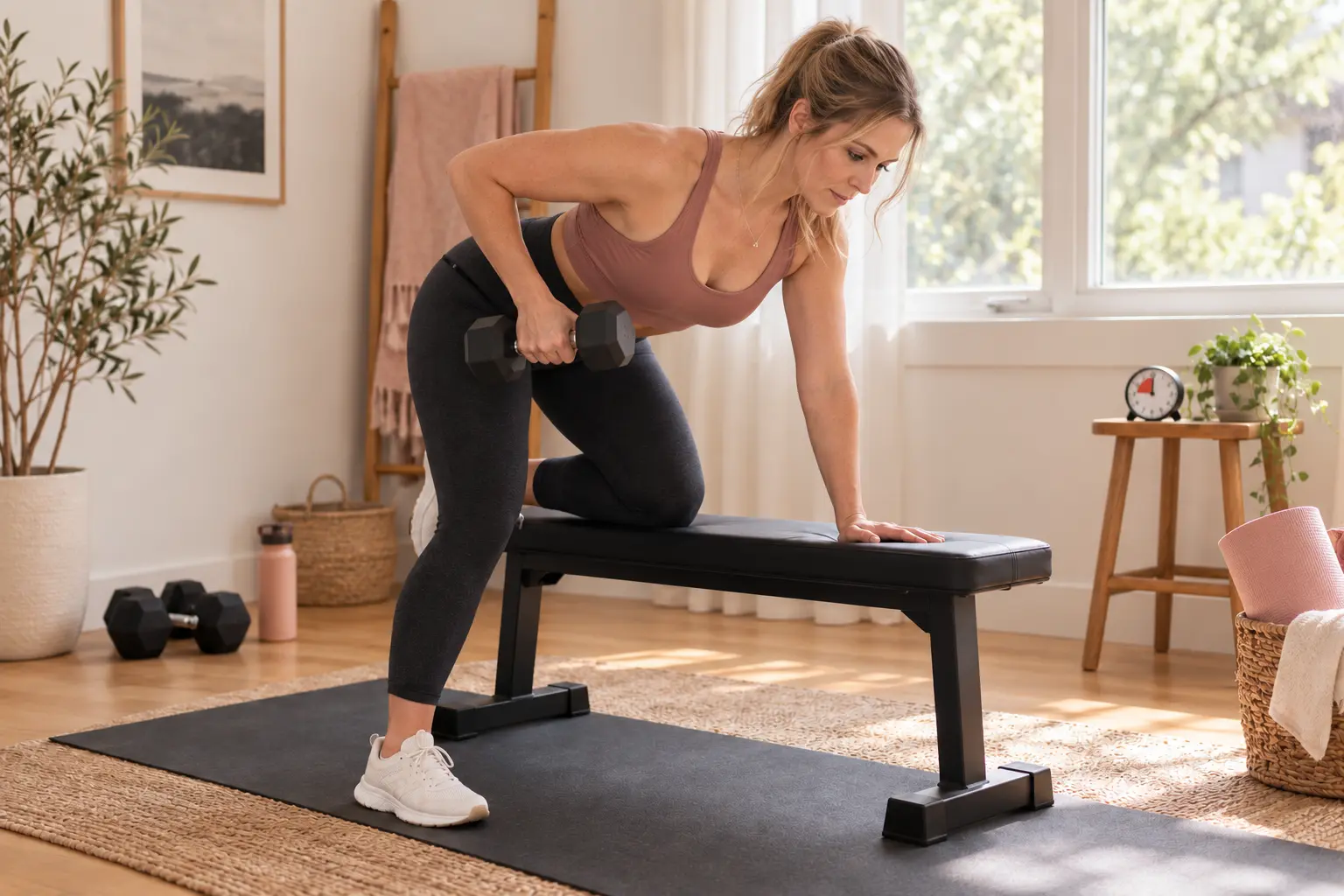
Keep a short workout focused by using a few big movement patterns and a simple order.
Read article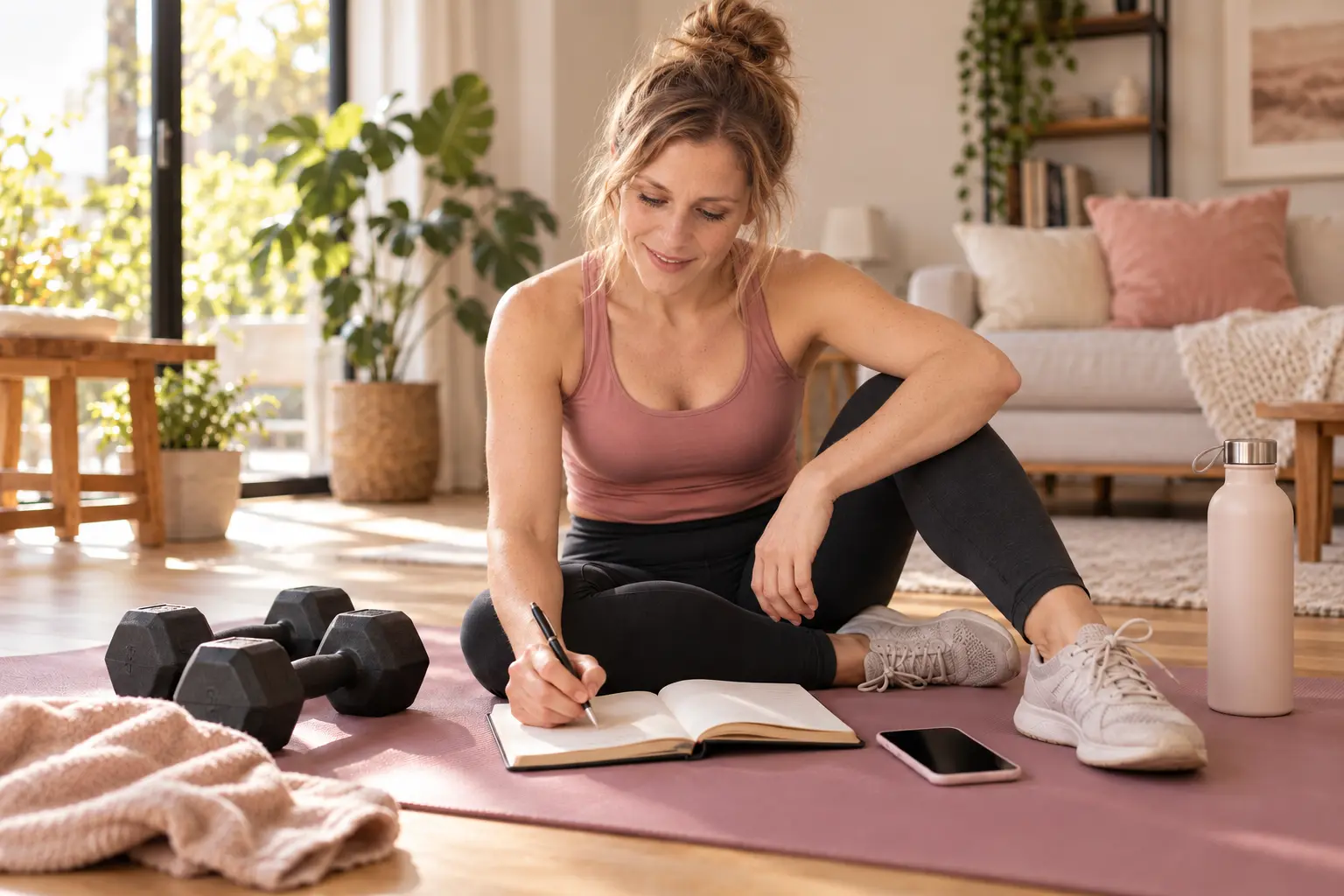
A small training log can show whether your plan is becoming more manageable over time.
Read article
Make protein easier to include by starting with familiar foods and adding them to meals you already eat.
Read article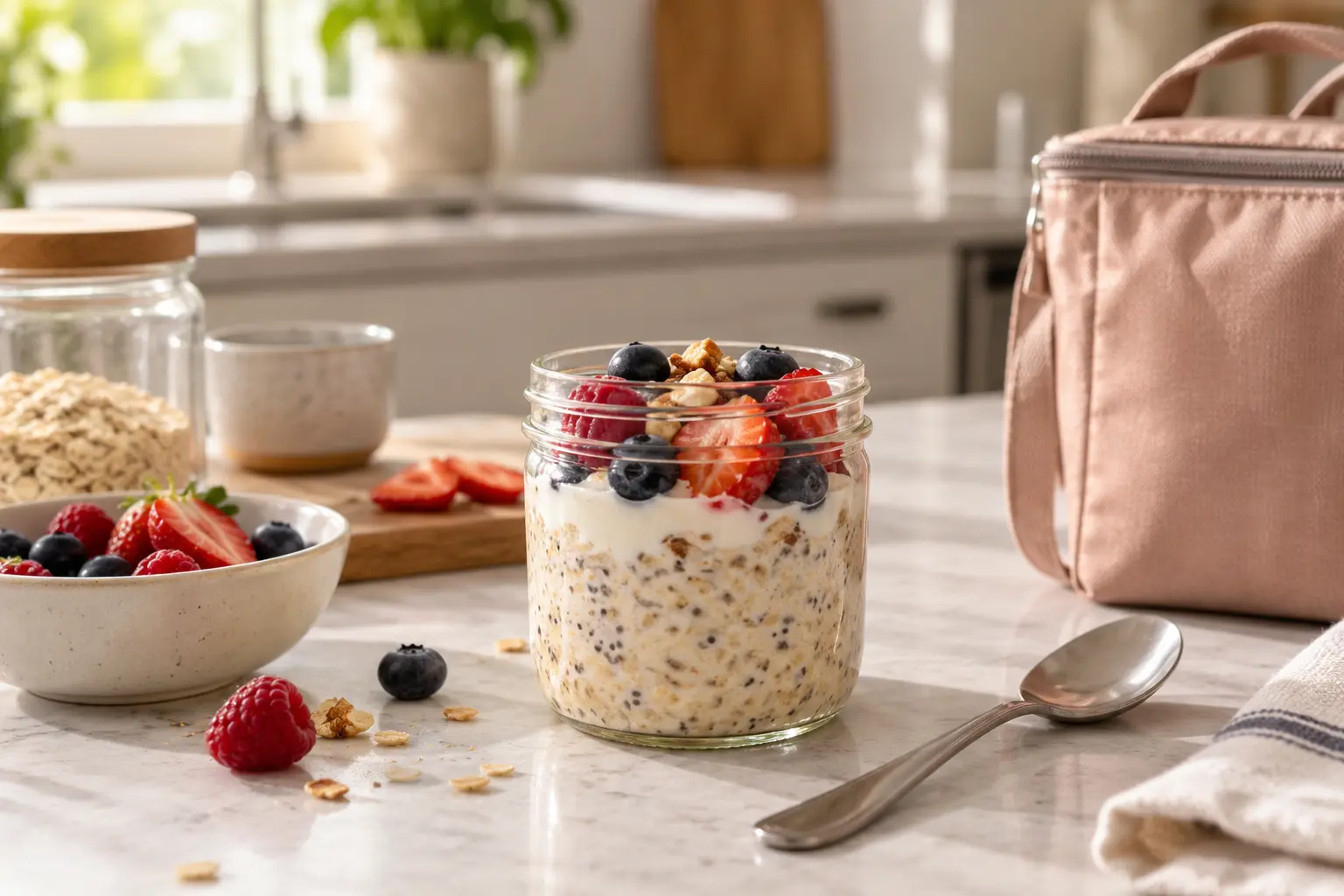
A few flexible combinations can make breakfast more satisfying without adding a long cooking routine.
Read article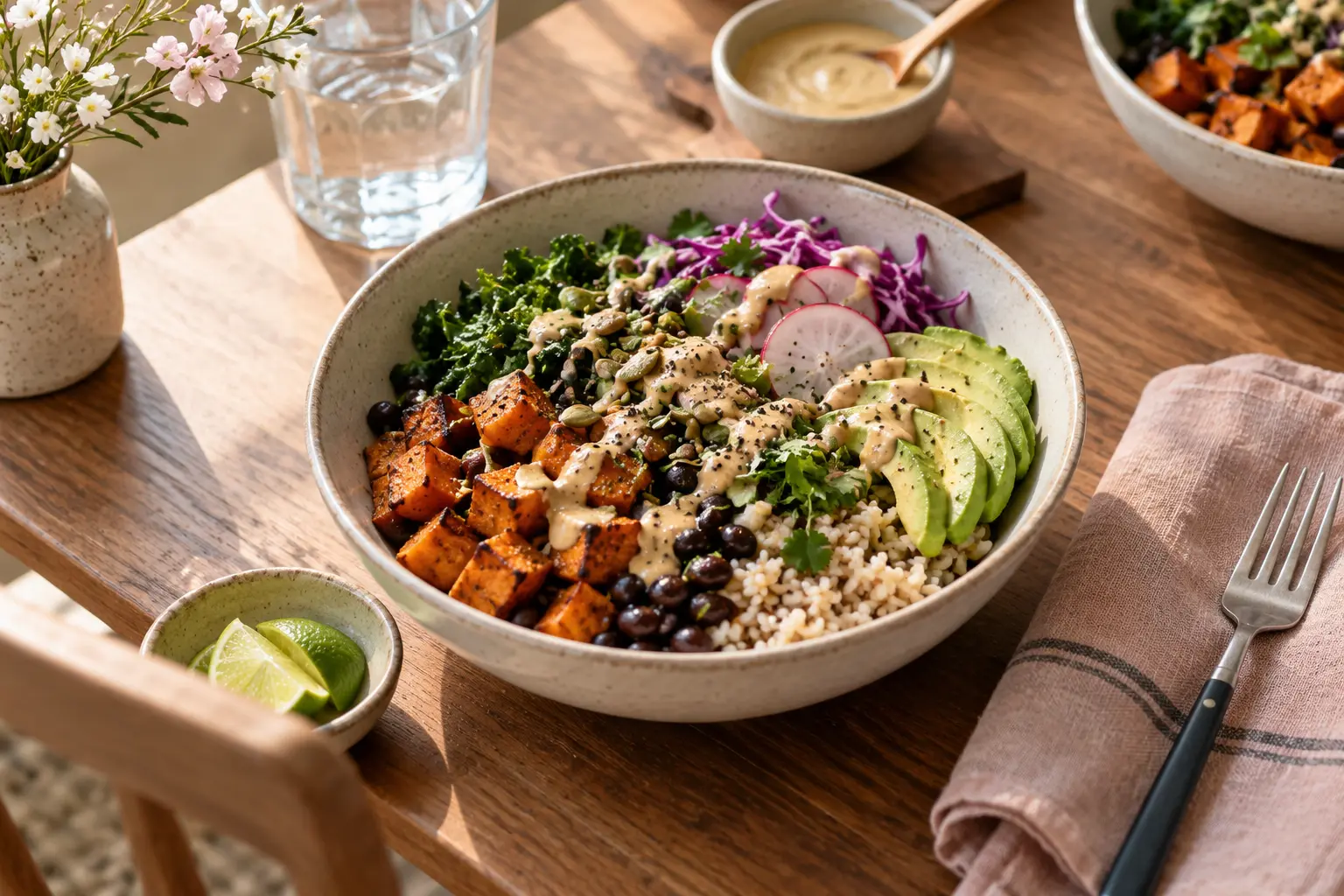
Use a simple visual guide to build meals while keeping room for culture, appetite and real life.
Read article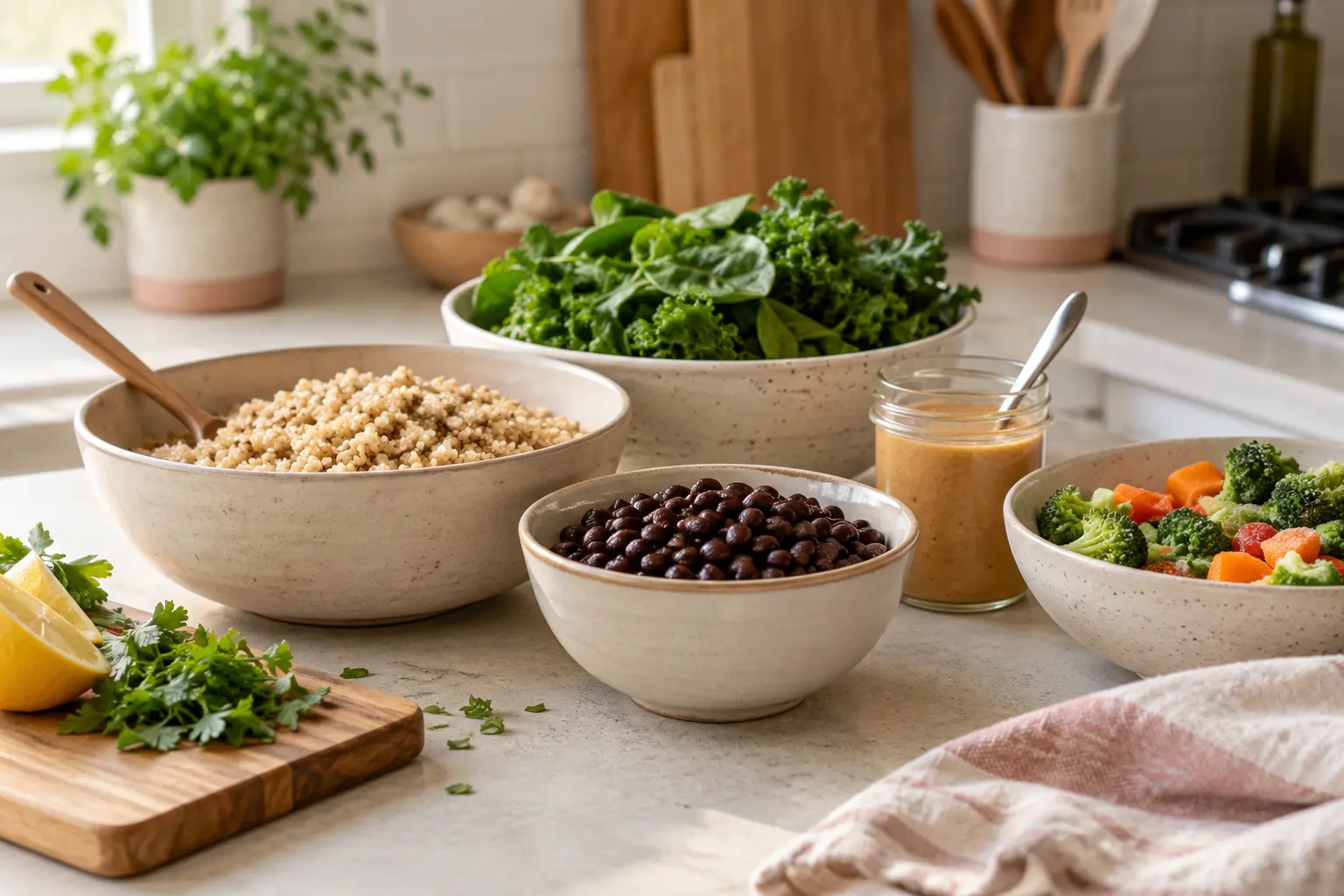
Prep a few useful building blocks instead of batch-cooking every meal for the week.
Read article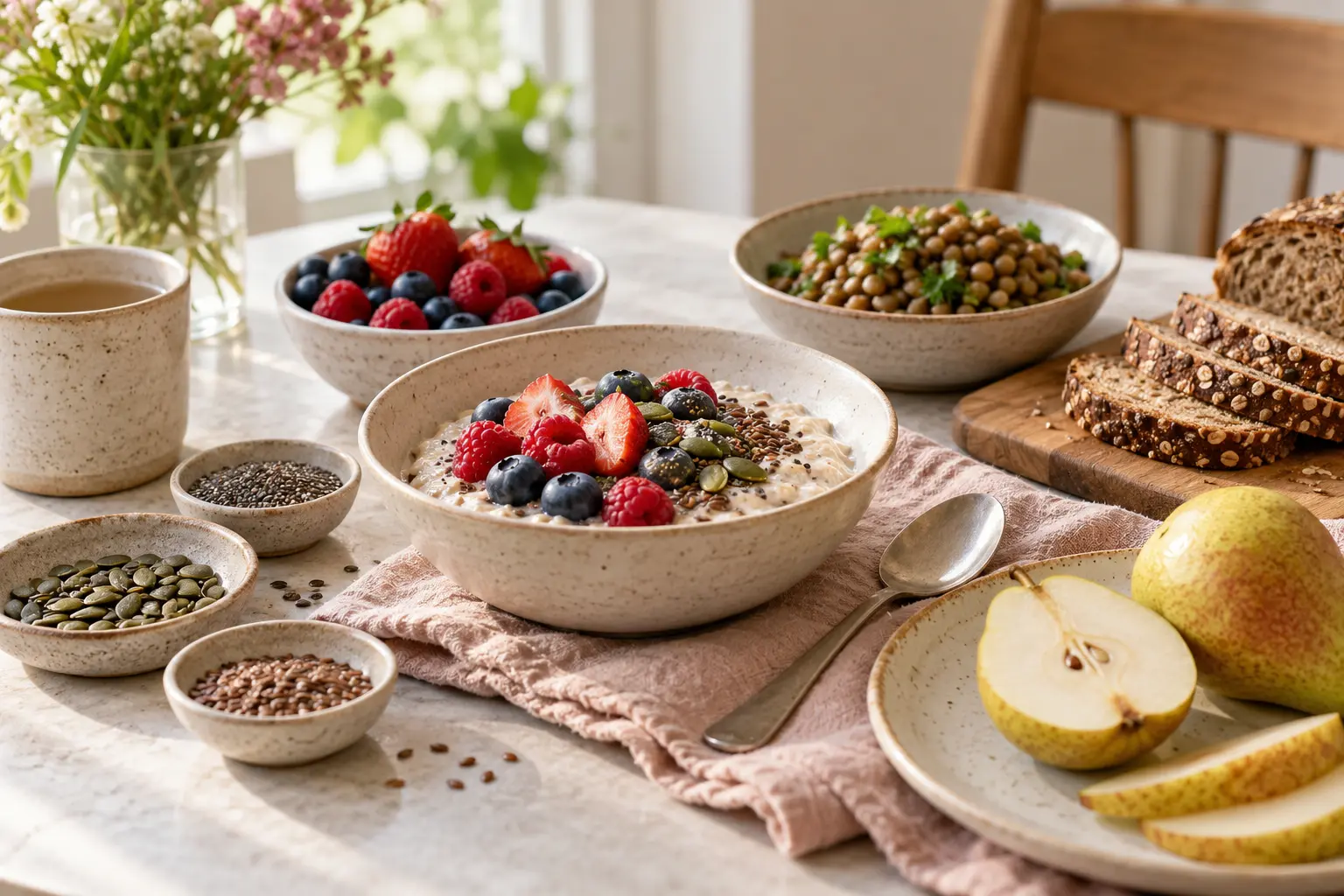
Small additions to familiar meals can make fibre easier to include in everyday eating.
Read article
Rest days can be quiet, gently active or a mix—the point is to support recovery and your wider life.
Read article
Build a short wind-down around one or two cues that fit your real evenings.
Read article
A short grounding pause, slower breathing or a compassionate check-in can help create a moment of space.
Read article
A realistic starting point for protecting a little space for your own needs in a full season of life.
Read article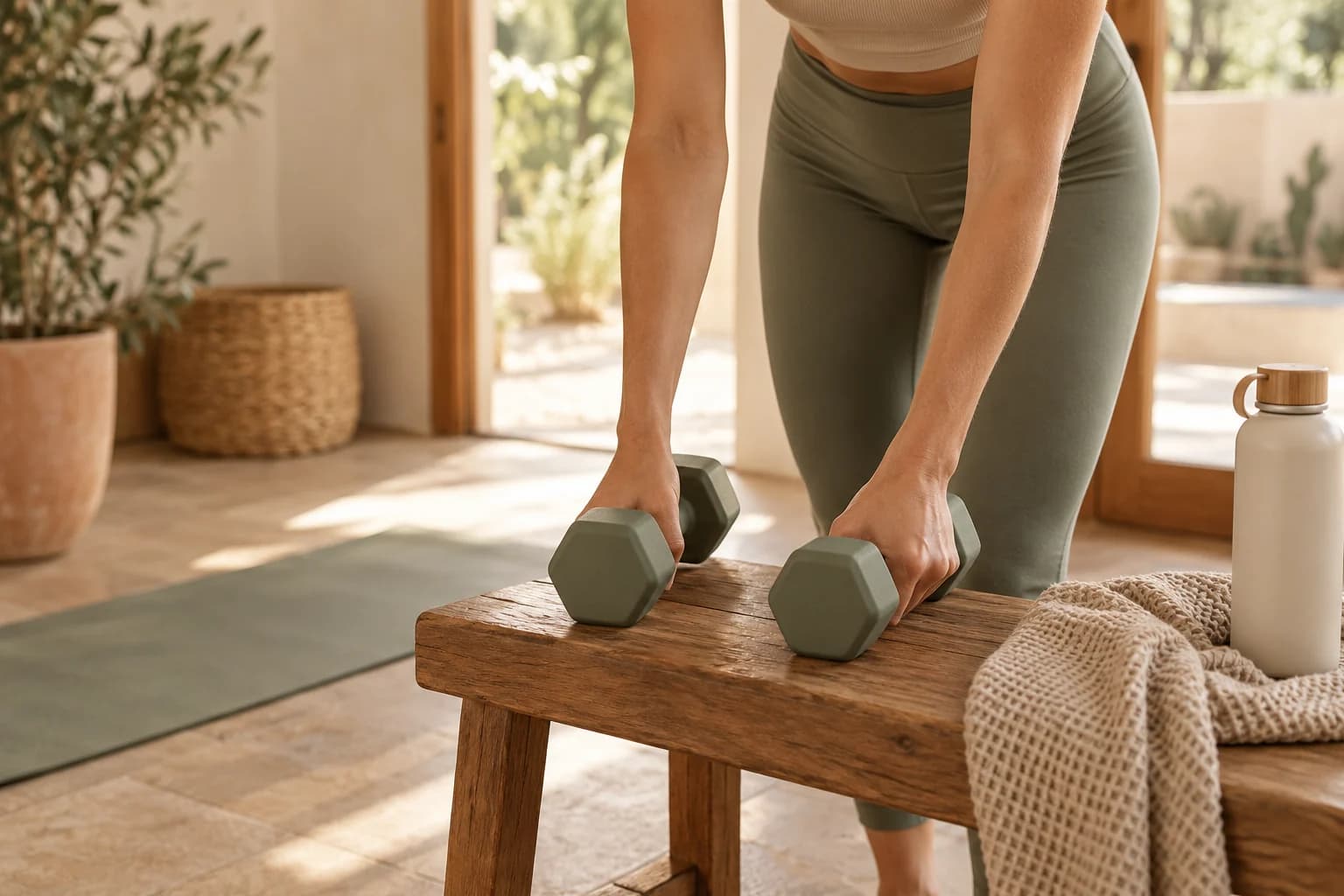
A stronger body can make everyday demands easier to meet. But pain is not a verdict on your strength, and you do not need to diagnose yourself before asking for help.
Read article
Start from the life and capacity you have now. A repeatable first week is more useful than an impressive comeback session.
Read article
You may not need a more elaborate bedtime routine. Start by identifying what is actually getting between you and sleep.
Read article
Your symptoms can inform your training. A calendar does not need to write the programme for you.
Read article
Build a routine that supports the life you want, while taking changes in symptoms and recovery seriously.
Read article
Build a way of eating and moving that can survive an ordinary week, including the parts that do not go to plan.
Read article
Recovery, symptoms and the reality of caring for a baby belong in the plan. A date on the calendar cannot describe all three.
Read article
You can value movement without treating pregnancy as a performance project. Start with appropriate guidance, adaptable choices and permission to respond to change.
Read article
A short, low-impact example to discuss with your maternity team, with a wall and stable support close at hand.
Read article